
Alberta Time Is Here: What Darker Winter Mornings Mean for Your Sleep and Mood
For the first time in more than 50 years, Albertans didn’t turn their clocks back this fall. As of November 1, the province is on permanent Alberta Time, the same hour we’ve been on all summer. No more fumbling with the stove clock, and no more groggy week after the switch.
That’s the good news. The trade-off is that our winter mornings are going to be noticeably darker. Around the winter solstice, the sun won’t rise in Calgary until roughly 9:30 a.m. Many of us will be commuting, dropping kids at school and starting work in full darkness for a good chunk of the winter.
The extra hour of evening light is real and welcome. But from a body-clock perspective, morning light matters more, and that’s where we need to be intentional this year.
Why morning light matters so much
Your body runs on an internal clock, your circadian rhythm, and light is its strongest signal. Bright light in the morning tells your brain “the day has started.” That sets off a cascade: cortisol rises to help you wake up, and about 14 to 16 hours later melatonin rises to help you fall asleep.
When morning light comes late or not at all, that signal gets weaker. The clock can drift later. Common results:
- Trouble falling asleep at night, then struggling to wake up
- Feeling groggy or “jet-lagged” until mid-morning
- Lower mood and motivation, especially for people prone to the winter blues
- Cravings for sugar and carbs, and more snacking in the evening
- Kids and teens who are even harder to get out of bed
This is the main reason many sleep researchers, including circadian scientists at the University of Calgary, have favoured permanent standard time over permanent daylight time. Whatever you think of the decision, the practical question now is how to work with it.
Six ways to protect your body clock this winterIron
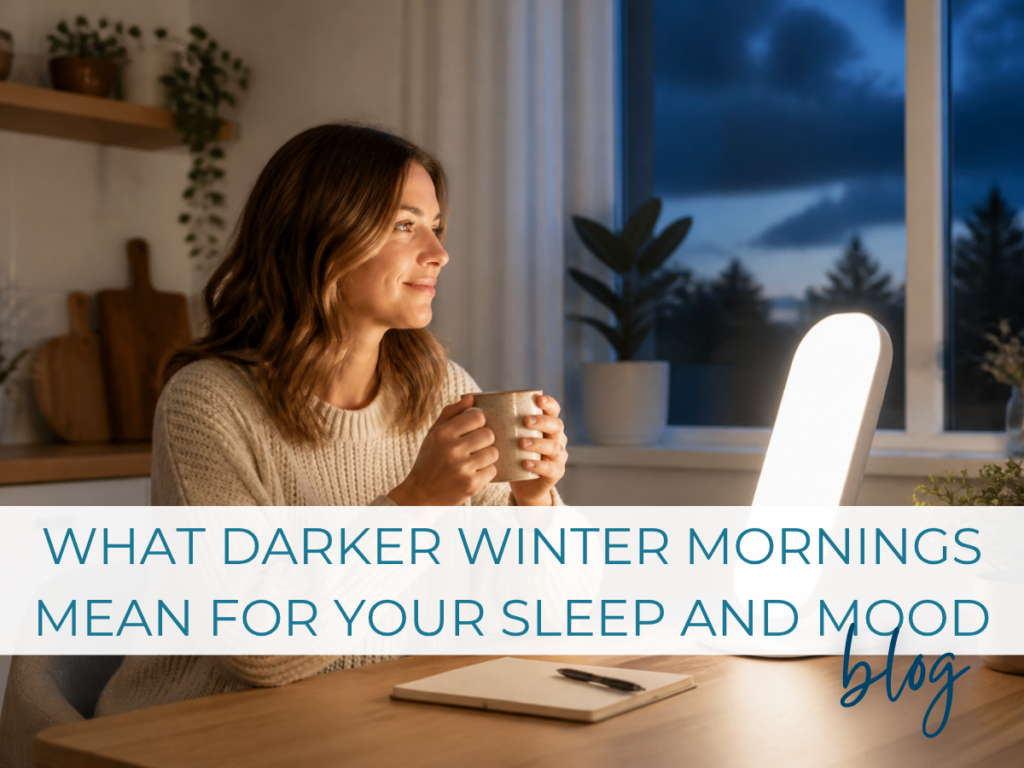
- Get bright light early, even if the sun isn’t up. A 10,000-lux light therapy lamp for 20 to 30 minutes within an hour of waking is one of the best-studied tools we have. Use it while you eat breakfast or check email. Sit at the distance the manufacturer recommends, and look near it rather than straight into it.
- Go outside as soon as there’s daylight. Even an overcast winter sky is far brighter than indoor lighting. A 10 to 15 minute walk mid-morning or at lunch counts.
- Keep your wake time steady, weekends included. A consistent wake time anchors your rhythm more than a consistent bedtime does. Try to keep the difference within an hour.
- Dim the evenings. With brighter evenings now, it’s easy to keep the energy going late. In the last hour or two before bed, lower the lights, use warmer bulbs and put screens on night mode or away.
- Time your caffeine and meals. Have caffeine in the morning only, ideally before noon. A protein-rich breakfast helps reinforce “daytime” for your body; a large, late dinner does the opposite.
- Move in the morning when you can. Exercise earlier in the day supports alertness and a healthy sleep drive at night.
When to get support
If you’re still struggling with sleep, energy or mood after a few weeks of good habits, it’s worth looking deeper. Low iron or vitamin D, thyroid changes, perimenopause, stress and seasonal mood changes can all show up this time of year, and they often overlap. A naturopathic doctor can help sort out what’s actually driving it, including lab testing where it makes sense.
If your mood is low most days, or you’re having thoughts of harming yourself, please reach out right away: call or text 9-8-8, any time.
Want help making this winter your best-rested one yet? Book an appointment with our team.
This article is for educational purposes only and is not a substitute for individualized medical advice, diagnosis, or treatment. Speak with a qualified healthcare professional about symptoms or health concerns.